Rural EMS stabilization — built to transition into operations
AXIS EMS Group helps rural counties stabilize coverage, rebuild workforce confidence, and install simple, measurable systems — with a clear path from recovery support to operational transition over time.
U.S.-focused strategy • European pilot capability used as a structured field lab
What rural counties need solved
Rural EMS systems face pressure points that require practical, measurable interventions.
- Staffing volatility, recruitment & retention risk
- Coverage gaps across large response areas
- Budget pressure with limited operational transparency
- Dispatch and workflow fragmentation (no shared picture)
Approach
Structured, measurable, and respectful of local realities — built for county leadership and field teams.
Note: outcomes depend on scope and local conditions.
Operational reality, built into the model
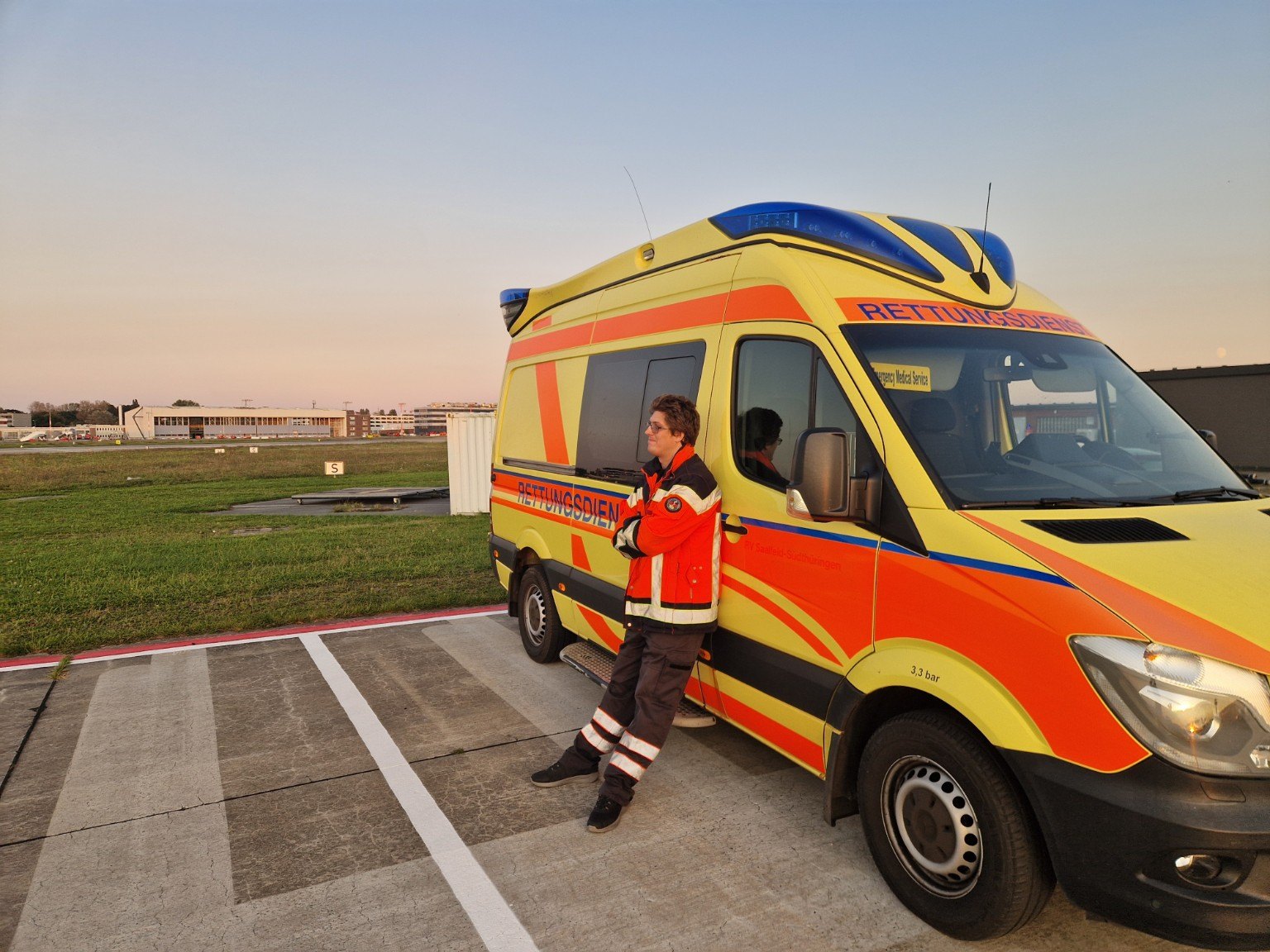
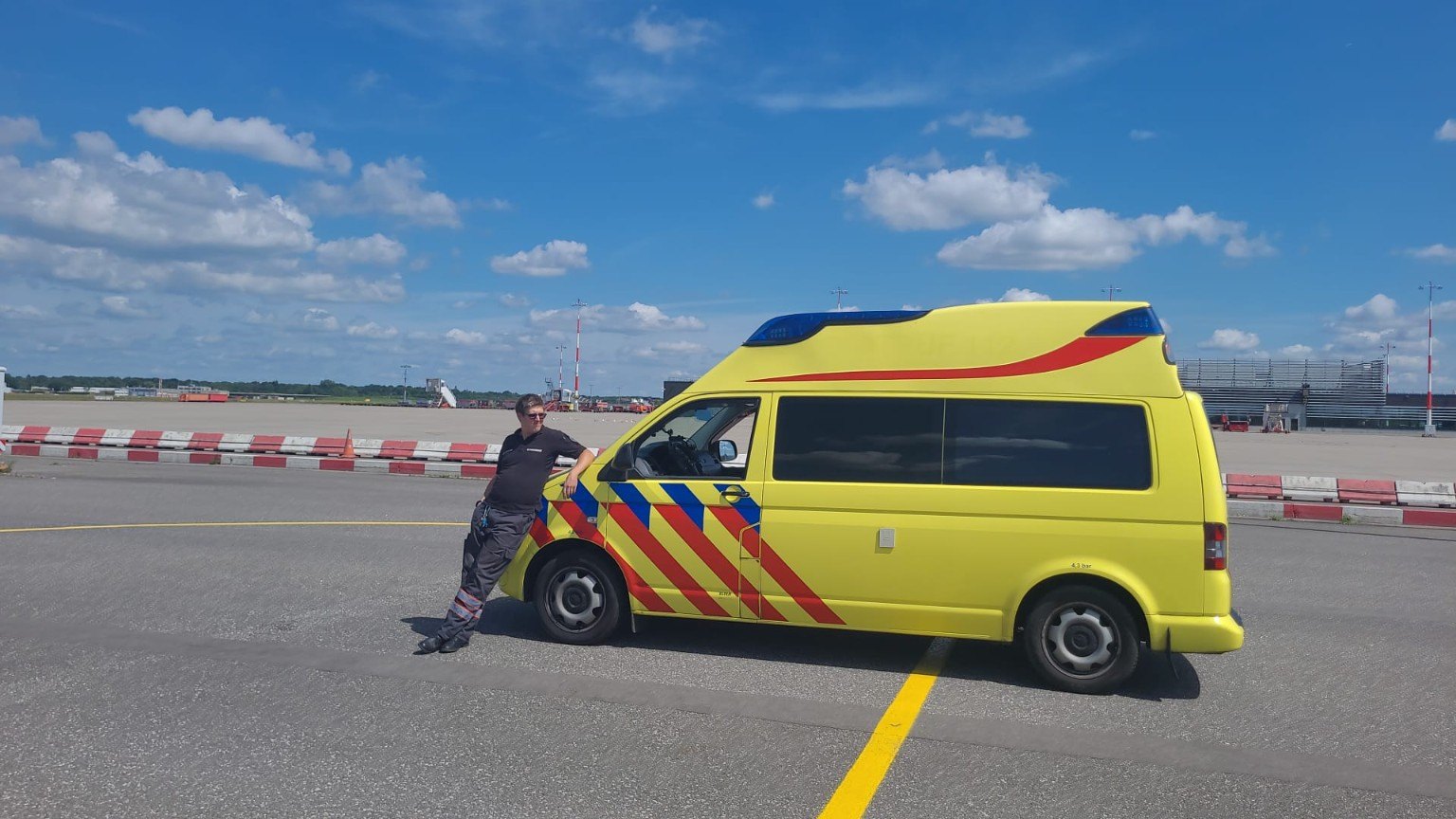
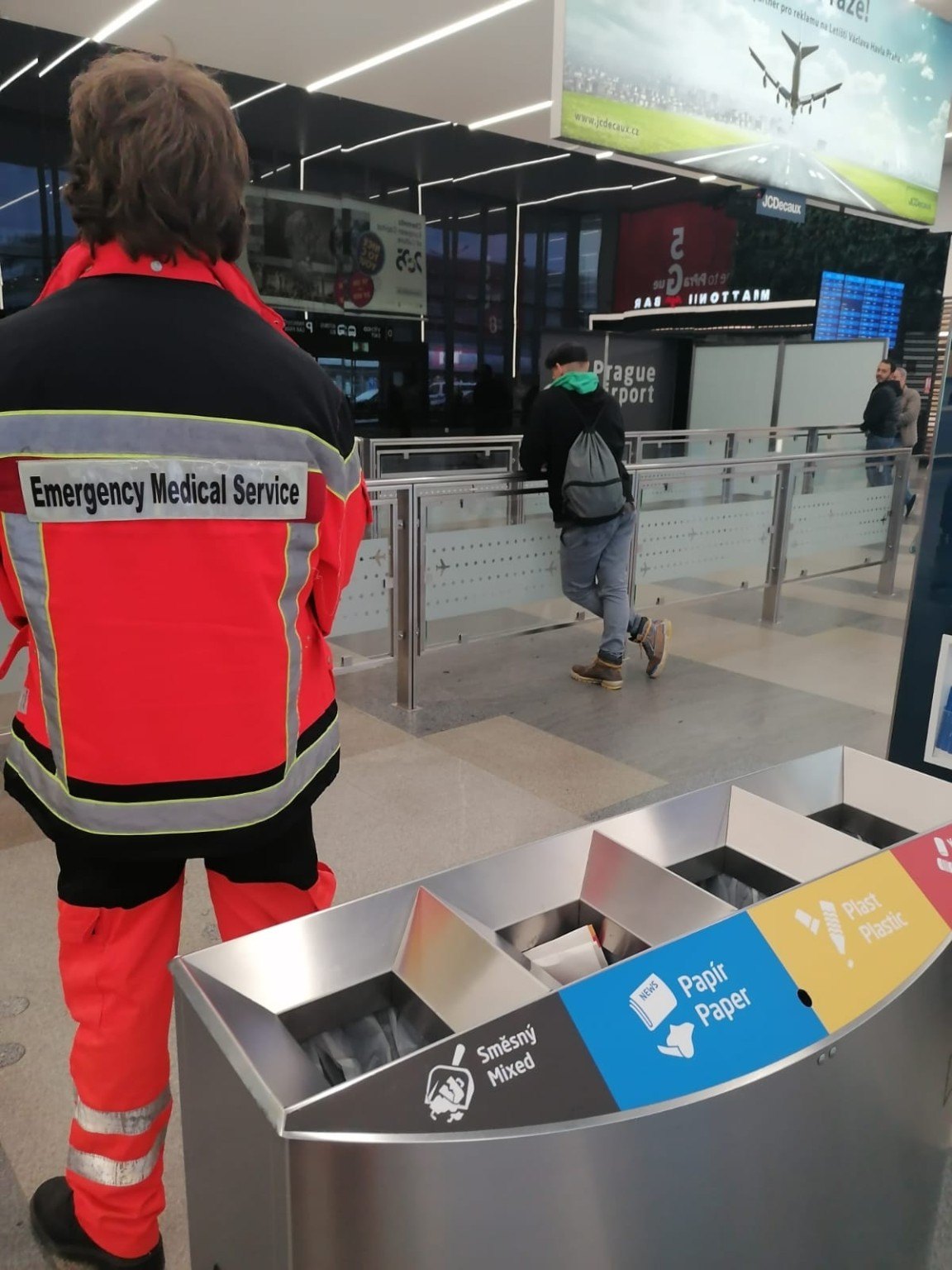
AXIS is designed to work with what a county already has — people, units, stations, and dispatch tools — and stabilize the system first. In parallel, a small European pilot capability is used as a field lab to refine SOPs, reporting templates, and readiness checklists that translate well into rural U.S. operations.
Three phases: stabilize → modernize → transition
We start as a stabilization partner, build measurable improvements, and support an operational transition path when a county is ready.
Phase 1 — Stabilization (0–90 days)
Interim leadership support, staffing plan, workflow reset, and a county‑ready reporting cadence.
Phase 2 — Modernization (90–180 days)
KPI dashboards, QA/QI routines, dispatch optimization, training standards, and equipment planning.
Phase 3 — Operational transition
Contracted transition plan toward long‑term operations and owned assets over time (units, tech, and staffing).
Confidential, exploratory first
Initial conversations are exploratory and confidential. If there is a fit, we outline scope, governance, timeline, and reporting.
Not emergency services
This website is not an emergency contact. In an emergency, call your local emergency number.